
Through movement on stage, we make the music more accessible.
For the Austrian chamber music ensemble AUREUM Saxophon Quartett, combining movement, scenography, and diverse genres is essential to redefining the classical concert experience.
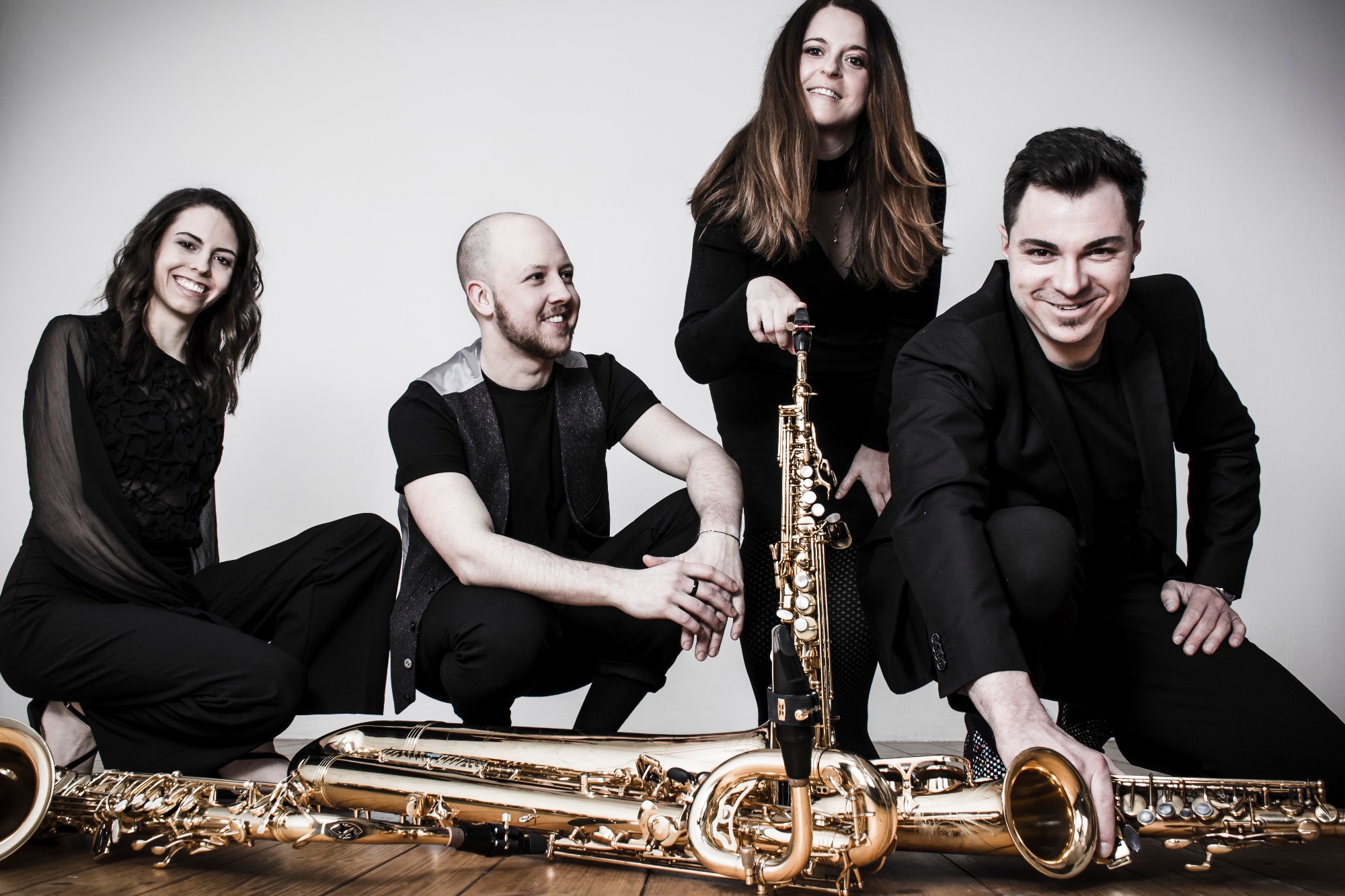
Formed in 2015 at the University of Music and Performing Arts in Vienna, the AUREUM Saxophon Quartett brings together four distinct personalities united by a shared passion for chamber music and the versatility of the saxophone. By blending classical traditions with movement, theatrical elements, and genre-crossing repertoire, the ensemble seeks to break down conventional concert norms. Named Absolute Winner in the Chamber Music category at the World's Best Musicians Competition, the Austrian quartet reflects on their rehearsal dynamics, performance philosophy, and the unique rewards of playing in a saxophone ensemble.
How did the saxophone quartet come together? What inspired the formation of this specific ensemble as a saxophone quartet?
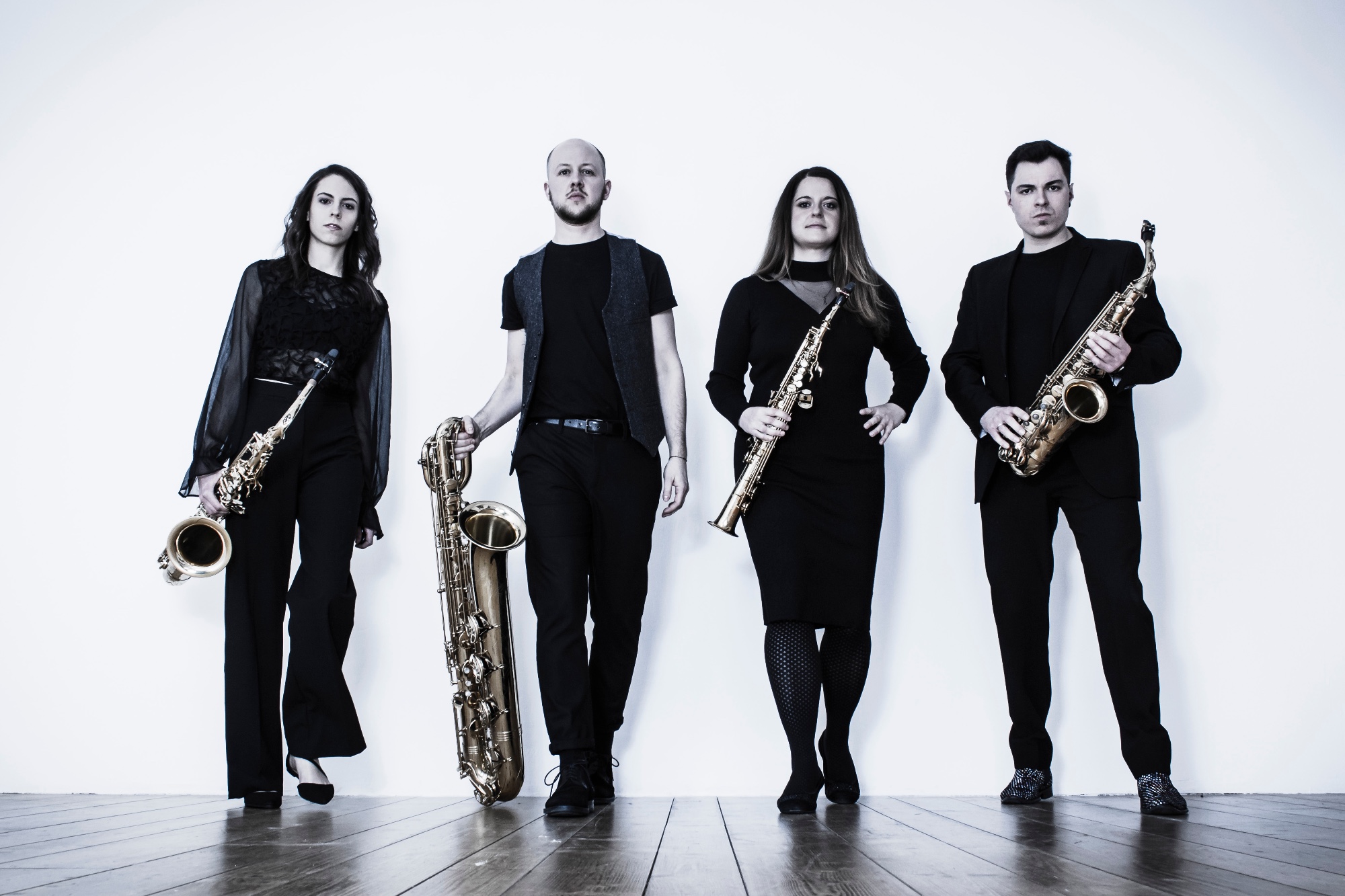
In 2015, we crossed paths at the University of Music and Performing Arts in Vienna, where playing in an ensemble was part of our degree. We decided to stick together, forming the AUREUM Saxophon Quartett. A saxophone quartet, akin to a string quartet or a choir, consists of soprano, alto, tenor, and baritone saxophones, which makes it remarkably versatile, flexible, and exciting.
How do you navigate different personalities and playing styles?
Musically, we seek a balanced mixture, combining each member's musical preferences in our programs. Embracing different genres enhances our collective experience and broadens our musical horizons.
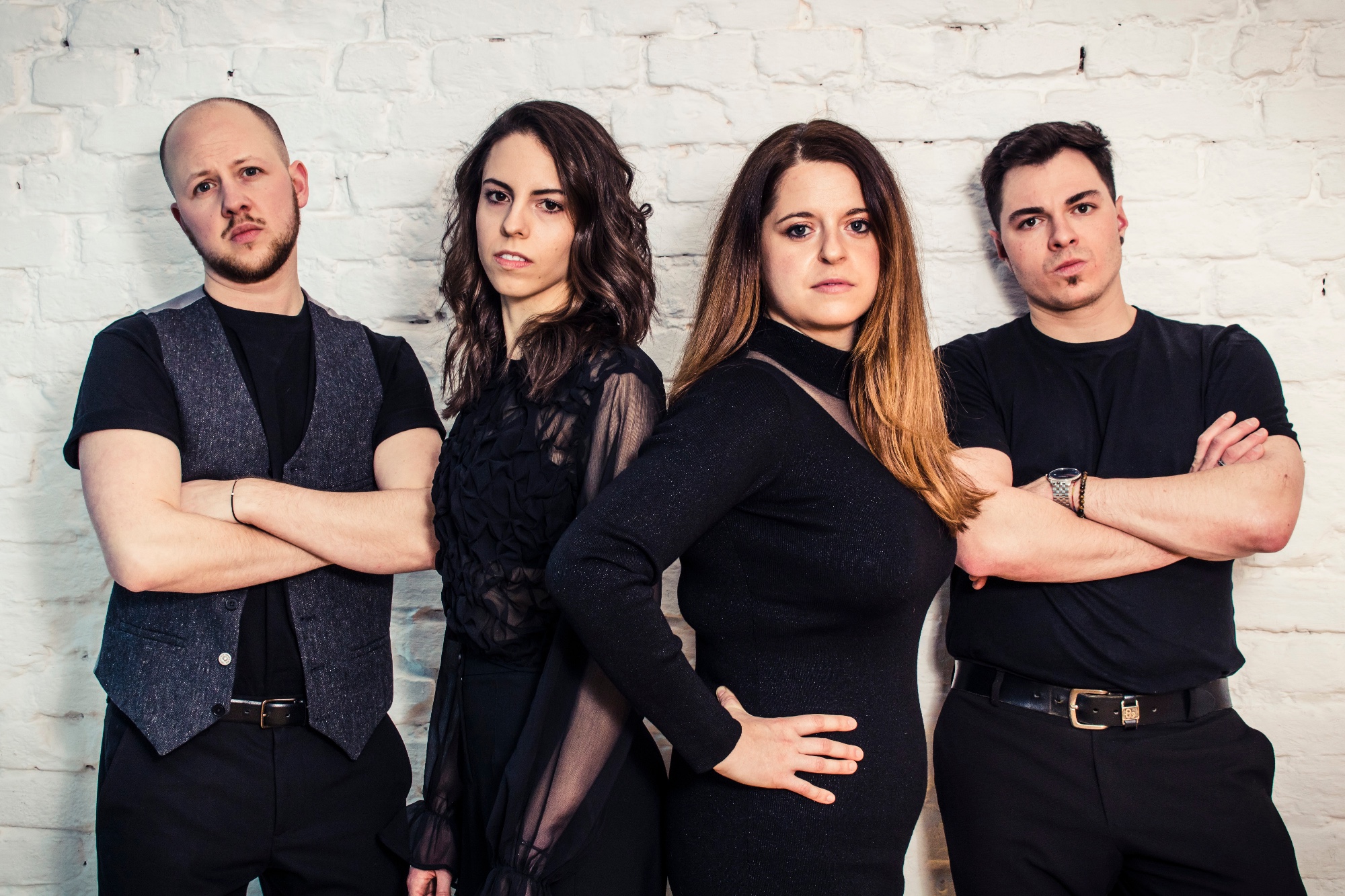
Regarding personal collaboration, we want to be honest: managing four different personalities involves hard work and acknowledging individual strengths and weaknesses—it often feels like maintaining a relationship with four people instead of one. Combining our music with movement, choreography, and scenographic elements adds richness and depth to our performances. Furthermore, it offers our audience a unique experience when they attend our concerts. This combination of elements, along with the incorporation of diverse genres, has organically evolved into our distinctive style and musical language.
How do you approach arranging and selecting repertoire for the saxophone quartet? Do you have any favorite pieces or composers?
We occasionally arrange pieces ourselves, especially Johannes, our alto saxophonist, and Lukas, our baritone saxophonist. We also frequently adapt things while working on a piece. Beyond our own arrangements, we collaborate with colleagues and friends like Leonhard Paul, an excellent arranger, as well as Christian Maurer, Gerald Resch, and Viola Falb, who have composed wonderful pieces for us.
Our repertoire continuously evolves over time, featuring pieces we genuinely enjoy playing and exploring, even those outside our comfort zone.
How do you communicate and collaborate as a quartet during rehearsals? Are there any unique challenges or advantages to playing in a saxophone quartet compared to other musical settings?
Rehearsals require a delicate balance of communication, consistency, discipline, and, last but not least, fun. Our work in the quartet often involves addressing challenges such as intonation, sound development, and shared musical vision.
Playing instruments from the same family presents both challenges and advantages. On the one hand, because we all share a deep understanding of the instrument, there is little room for excuses, which can be tough. On the other hand, this shared experience becomes a real asset when one of us encounters difficulties—in those moments, three people are ready to offer insightful tips and assistance at a moment's notice.
Can you share a memorable performance experience with the saxophone quartet? What made it special or challenging?
We've had several unforgettable performance experiences that have left a lasting impact on us. Often, it's the subtle, intimate moments shared among the four of us while making music that elevate these on-stage experiences into something truly precious.
One remarkable occasion was in Estonia, where we played in a church located in the middle of nowhere. The intimate setting created a truly unique atmosphere.
Another standout moment occurred at Teatro Biobío in Chile, where we faced the challenge of performing on a massive stage. The sheer size of the venue posed acoustical challenges, making it demanding but ultimately rewarding. It was particularly overwhelming, as it marked the largest stage we had ever performed on.
A hometown concert in Vienna stands out as well, where we experienced the joy of playing to a venue filled beyond capacity, with people lining up outside just to hear us play. The energy from the audience was palpable, creating a special connection with our hometown supporters.
More generally, one of the most magical experiences is receiving a standing ovation from an entire audience. The collective appreciation and emotional impact of a standing ovation add a sense of magic to the stage that words can hardly capture.
“Managing four different personalities involves hard work—it often feels like maintaining a relationship with four people instead of one.”
AUREUM Saxophon Quartett
How do you engage with your audience during performances? Do you have any strategies for connecting with listeners?
We perform our concerts from memory because we believe it creates a stronger connection with both the music and the audience. Through movement on stage, we make the music more accessible, while personal interactions and spoken introductions add a unique touch to our performances.
Are there specific saxophone quartets or musicians who have had a significant influence on your style and approach?
Naturally, saxophone quartets like the Kebyart, Signum, and Berlage quartets, known for their instrumental mastery, are sources of admiration for us. But we also look beyond the saxophone world and draw inspiration from many different ensembles and musical groups. While various influences shape our style, we aim to forge our own unique path and offer something new.
What are the future goals and aspirations of the saxophone quartet? Are there specific projects or milestones you're aiming for?
Our aspiration is to continue performing concerts and creating new ways of presenting music. Of course, we have major goals, such as performing in venues like the Elbphilharmonie or Carnegie Hall. Currently, we are working on a new concert program and seeking the right management agency to assist with bookings, allowing us to focus even more on the musical and artistic aspects of our work in the future.
What made you take part in the WBMC competition and what are your impressions?
Participating in competitions is always a valuable experience that provides continuous learning opportunities. The WBMC competition felt particularly fitting for us because it offers a rare platform that specifically accommodates saxophones, for which dedicated chamber music categories are often limited.
We appreciate the well-organized event and the opportunity to showcase our music on a global platform. Many thanks to the team for their efforts in making it such a rewarding experience.
Read this interview as a magazine edition
The designed Maestro Magazine edition of this conversation.