
Beyond the Instrument: A New Musical Language
For Mexican composer Carlo Ayhllón, early encounters with concert music sparked a lifelong drive to create his own sonic worlds across orchestral music, guitar performance, and cinema.

Mexican composer, classical guitarist, and filmmaker Carlo Ayhllón has built a multifaceted career bridging contemporary concert composition and film scoring. Recognized in international competitions including the Mozart International Music Competition, his creative work spans symphonic pieces, chamber ensembles, and documentary direction. In this conversation, Ayhllón reflects on discovering his calling at six years old, how his experience as a guitarist influences his orchestral thinking, and the ideas behind his double concerto and documentary feature, Mutación.
Was there a moment when composing changed from something you wanted to try into something you wanted to build your life around?
I’ve always loved music, but I remember there was actually a special moment. I was about 6 years old and my brother, Luis, was listening to Chopin’s preludes and Beethoven’s Pathétique Symphony. I was entranced by it and soon I was fascinated by concert music. I would go to the piano and try to replicate that, but I was too young and I wasn’t able to. I realized I could make my own music. And that’s when I decided I would be a composer.
Does your experience as a classical guitarist shape the way you compose for other instruments?
Yes, the classical guitar has been important in my music. I can include it in ensembles, and I think of it as if it belonged to the chamber orchestra. That’s what Hector Berlioz used to say. Thanks to the guitar, I conceive music in terms of melody and harmony in a deeper way. Although I also play other instruments, as a guitarist, I have worked with repertoire that goes from the Middle Ages and Renaissance to contemporary music, and all those colors have helped me feel comfortable with different genres; I owe that to the guitar.
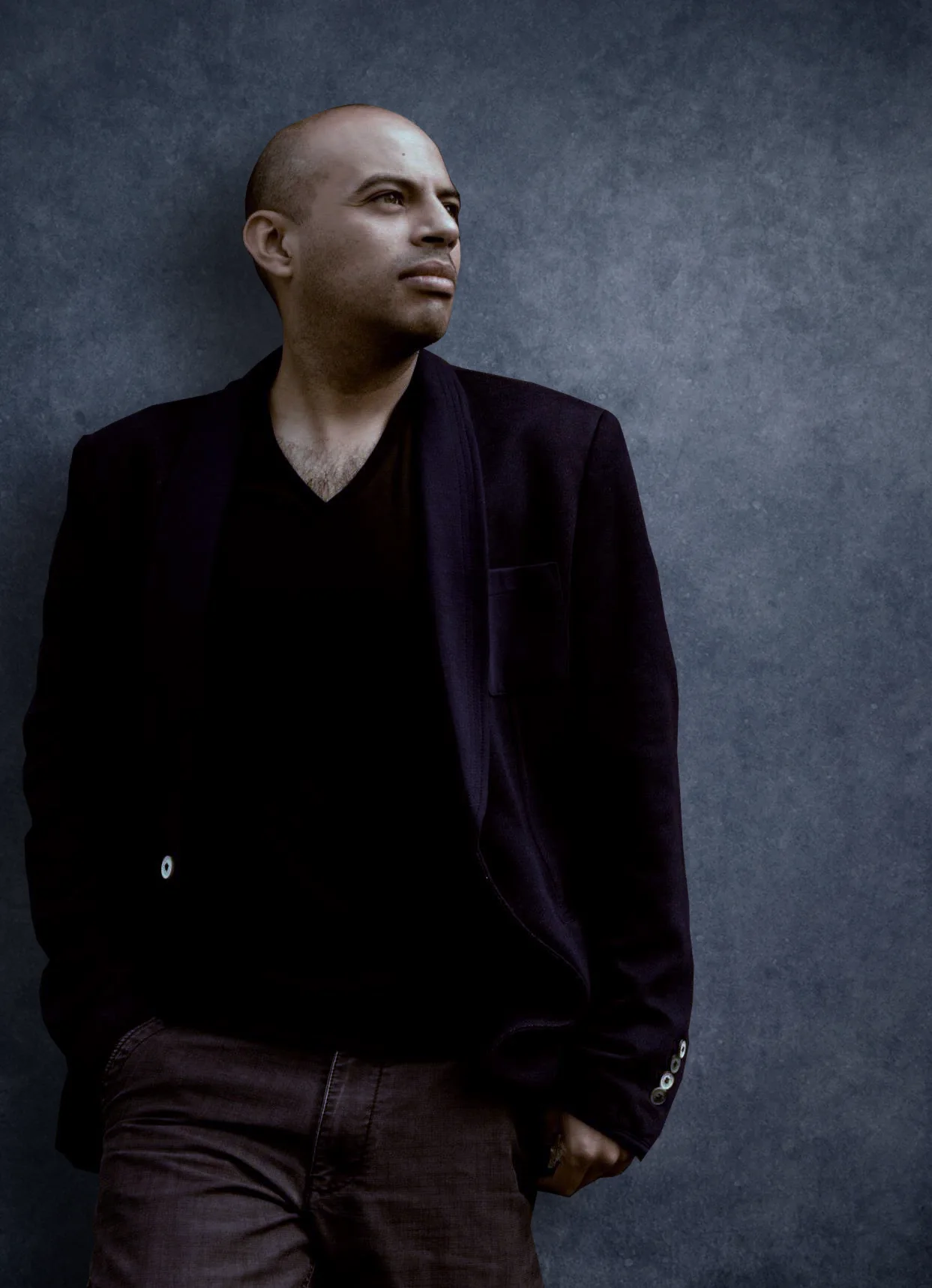
For your double concerto Mutación, what led you to bring piano with controller and electric guitar together with the orchestra?
Initially it was a commission: a double concerto for electric guitar, piano, and orchestra. Due to creative and philosophical needs, I added a controller and some electronic music here and there. Of course, one of the perks of being a guitarist is that I can write very well for electric guitar, which is an instrument I play as well. This is an important syncretism between my career as a performing musician and a composer. In this work there is a mix of influences from film music and contemporary music, as they are part of my everyday work. Above all, it is a symphonic poem. It has a sophisticated dramaturgy based on what I wanted to express in philosophical terms.
“Thanks to the guitar, I conceive music in terms of melody and harmony in a deeper way.”
Carlo Ayhllón
In your choral writing, what do you find most expressive about the human voice?
I have music for choir, for soloist singers, and currently I am working on my first opera. Deep melody lines, articulation, and the right dynamics are essential in voice and singing, and I think tessituras are also very important. Actually, harmony notation is structured in four lines, just like choir music. In my work, I consider voice, its expressivity, counterpoint, and its power in terms of frequency and tessitura.
Now that you have directed your first documentary, what would you like to try in a future film?
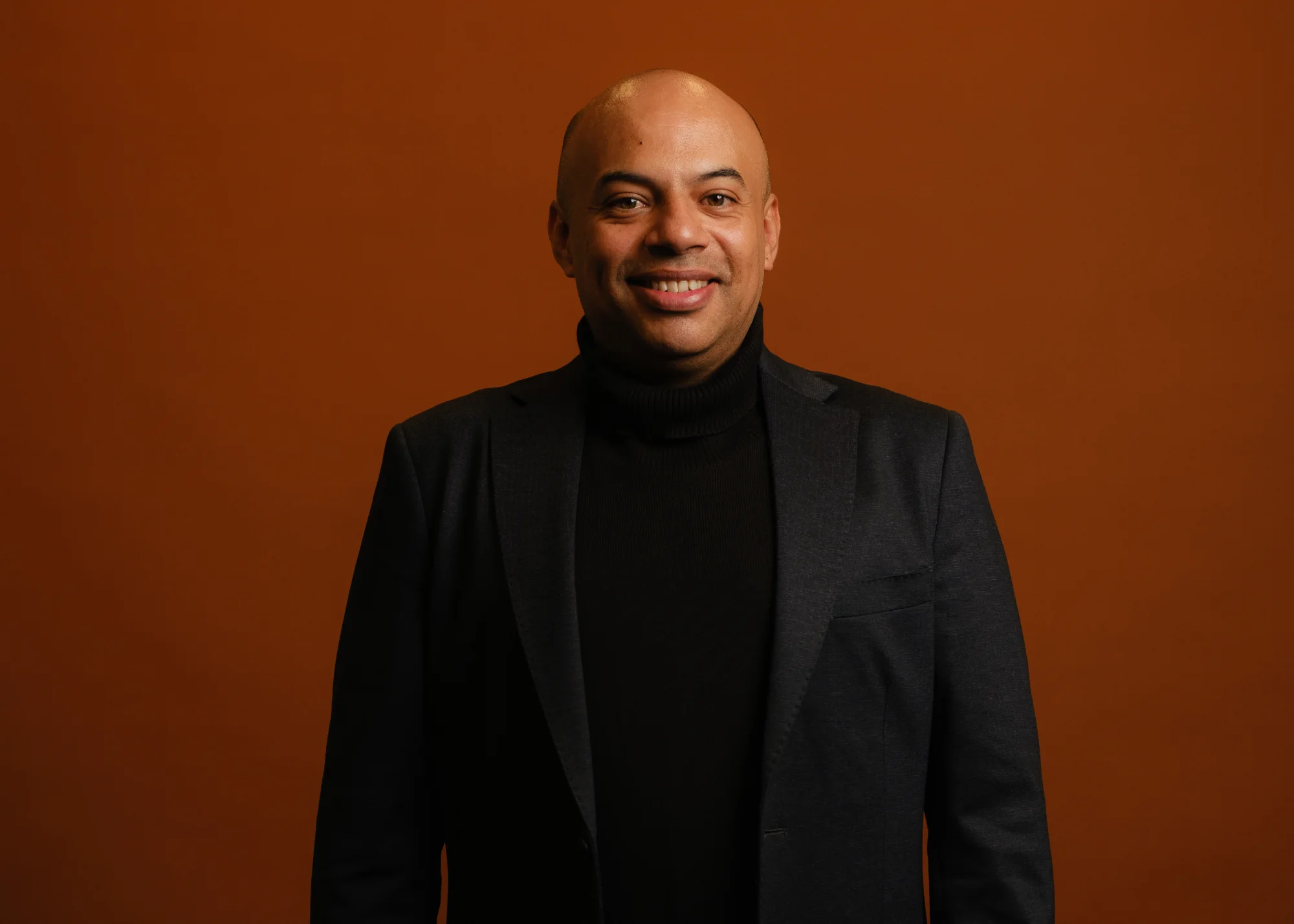
I’ve been making film music for about 25 years and in my family there are other artists, among whom is a filmmaker, Luis Ayhllón, and that’s why it is important for me to get involved with cinema in a different fashion. I decided to make a documentary with the same title as the work that won this award, Mutación, in which the creative process is explained in philosophical terms, as well as the development of this piece and its musical production. It is difficult to premiere a symphonic piece with electronic media, with two soloist instruments and additional instruments, like the drum kit and some others. Therefore, it is important to me to get involved with filmmaking directly. I enjoyed this experience and I want to make a second documentary, and maybe in the future a fiction film.
Read this interview as a magazine edition
The designed Maestro Magazine edition of this conversation.