
Rediscovering a True Musical Passion
After decades of performing, teaching, and conducting, Spanish composer José Francisco Hernández Toledo has returned to writing his own music — a creative reconnection that grounds his approach to ensemble writing and score preparation.
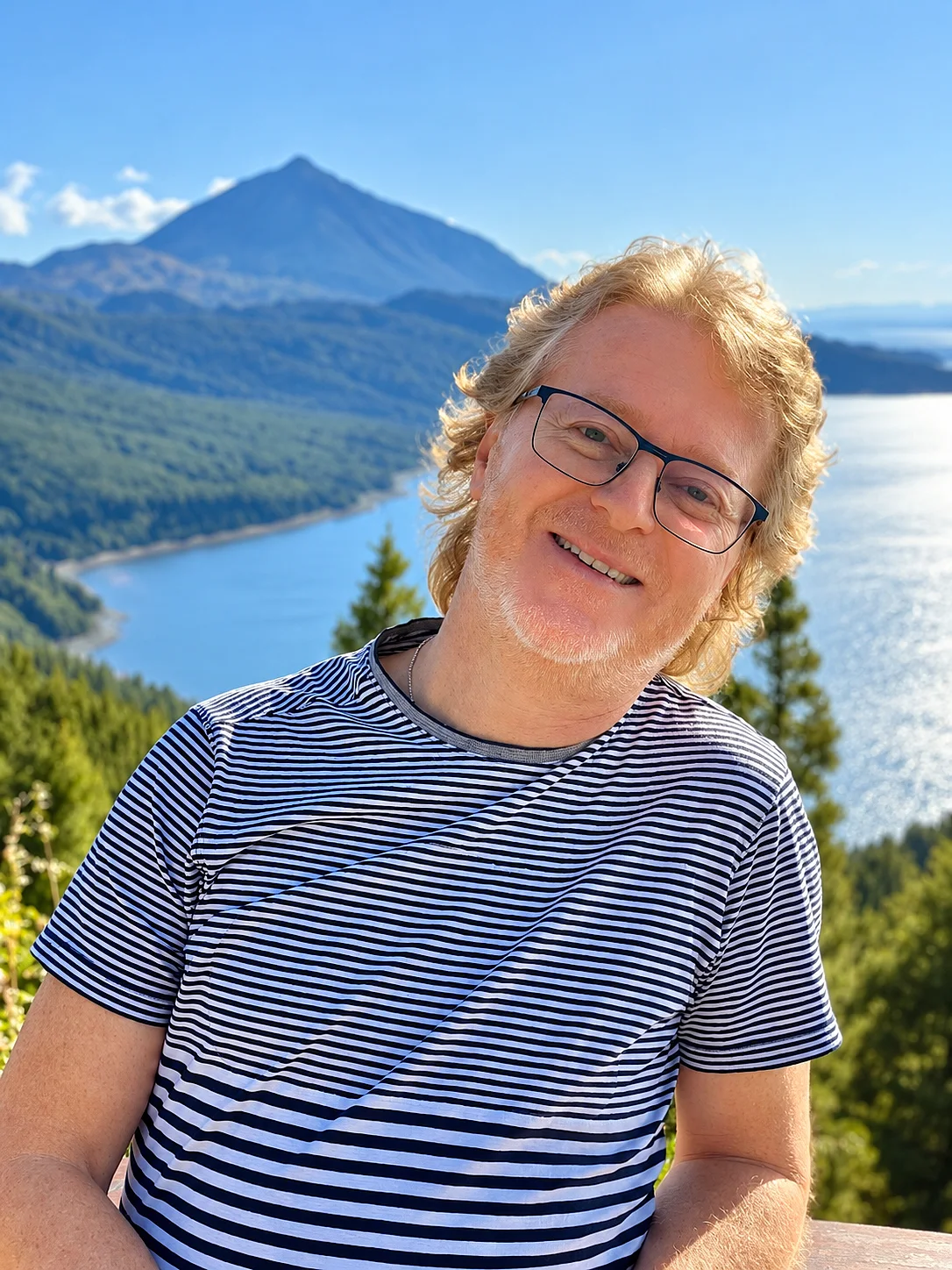
Spanish composer José Francisco Hernández Toledo grew up surrounded by local band traditions in La Palma before building a multifaceted career as a performer, conductor, and conservatory educator. Having recently returned to full-time composition — receiving recognition including Absolute Winner at the Mozart International Music Competition — he brings decades of practical ensemble experience to his scores. In this interview, he reflects on his largely self-taught path as a composer, how conducting informs orchestration, and the realities of hearing new work performed live.
What first made you want to write music of your own?
Ever since I began my musical journey at a very young age, I’ve always had a creative drive. I remember that, even as a child, I was constantly making transcriptions, adaptations, and small musical arrangements for the various groups I was part of, for a wide variety of purposes. It might have been a popular melody for my father’s dance band, a simple adaptation for a group of fellow musicians at school, or a small arrangement of a piece for my town’s marching band. Later, during my academic training, I was drawn to subjects such as harmony, counterpoint, and musical analysis—to name just a few—and that’s when I began to develop a deep interest in musical composition.
Due to administrative changes in my country’s curriculum during the 1990s, my composition studies were sporadic and irregular. For this reason, despite having had some excellent teachers for whom I feel both personal affection and professional admiration, I must say that my training in this discipline has been largely self-taught.
After several decades of performing, teaching, and conducting musical groups, I deeply longed to sit down and compose. Writing my own music, after a long period of creative silence, has meant for me over the past two years rediscovering my true musical passion and reconnecting with that young musician who always yearned to be a composer. Today, composition is very important to me: it brings me serenity, fills me with peace, and above all, keeps me busy and excited about life.
How has your experience in conducting shaped the way you write for an ensemble?
Having had the opportunity to conduct various ensembles—both wind and string—as well as concert bands and small orchestras, ranging from classical to popular music, has undoubtedly been one of the most enriching musical experiences I’ve had over the years.
Tackling the study of a multitude of scores from all kinds of repertoires, analysing them, and leading the preparatory rehearsals for their final performance—whether on professional or amateur stages—undoubtedly provides knowledge and experience that go far beyond what can be learned in a classroom. Teamwork and the experience of shared musical practice transcend the solitude of theoretical learning—which is much more individualized—providing an immensely enriching big-picture perspective at all levels from a musical standpoint. The knowledge gained is vast and of incalculable value. I would go so far as to say that a good rehearsal or a good concert, as well as the experience of hearing high-quality music performed live by skilled musicians, can become, for example, the best lesson in orchestration you could ever receive.
Thus, when you sit down to compose your own music—even if this doesn’t happen consciously—your musical ideas are influenced by the wealth of musical knowledge to which you’ve had access.
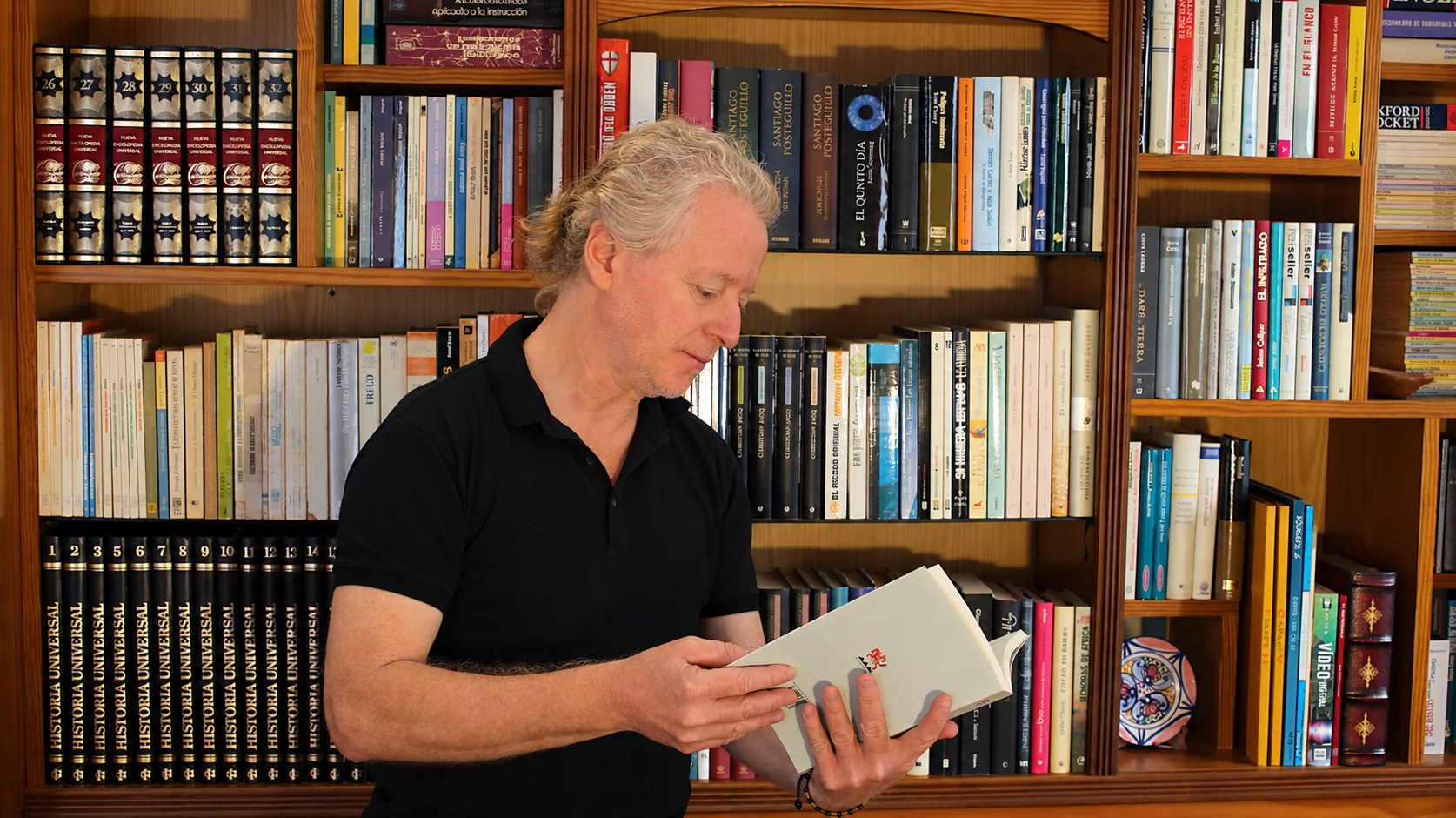
In your Sonatina.com for trumpet and piano, what kind of relationship did you want to create between the two instruments?
That’s an interesting question. As a musician—in addition to other disciplines—I studied trumpet, so it wasn’t my intention to write one of my first serious works for my own instrument. Honestly, I remember that, as a young man, I wrote one of the required pieces for my second year in the composition program, which consisted of a short sonata for a solo instrument with piano accompaniment. And, in fact, when I presented the draft of the piece to my professor, the solo part consisted of a melodic line that wasn’t yet defined—at least not consciously—for a specific instrument. Then he looked at me and said, “It’s clearly for trumpet!” I wasn’t entirely convinced of that at the time; but anyway, I accepted it and continued working in that direction.
Once I had sketched out the first movement—in which, indeed, the writing is probably more oriented toward the trumpet—in the other two movements of the sonatina I tried to break away from that sonic cliché so closely associated with brass instruments, giving the trumpet a lyrical and introspective role in the second movement, as well as an arabesque-like character and a showpiece for its sound in the final movement.
The piano, for its part, is treated in a mixed way in terms of its musical language. On the one hand, in *CAOS* I use it as a percussive element with a rhythmic character; in *LAPSUS*, it serves simply as harmonic support, receding into the background to make way for the trumpet’s cadence. Finally, in *RITUAL*, the piano takes on a co-leading role alongside the soloist, displaying a much more virtuosic musical language and developing its own voice with a character more typical of a solo concert.
“Writing my own music, after a long period of creative silence, has meant for me over the past two years rediscovering my true musical passion and reconnecting with that young musician who always yearned to be a composer.”
José Francisco Hernández Toledo
When you hear a new piece of yours in rehearsal, what helps you decide whether it needs further changes?
In a sense, I think most composers aren’t lucky enough to be able to try out everything we compose with real musicians. That’s why, most of the time, aside from your own conceptual idea, you only have the piano or guitar to guide you, along with the help of your DAW and the score editor you use.
If, during that process, you had the option to try out your music in advance, you could evaluate how the score actually sounds with the specific ensemble in question and make decisions about timbral combinations, agogic aspects (nuances, articulations), etc. And, above all, about those elements where composition tools—no matter how professional they may be—don’t provide a 100% accurate sound image.
But, generally speaking, by the time you have the opportunity to hear your music performed live, preparations for the premiere are already underway—and, with a little luck, during a rehearsal prior to the scheduled performance. So, if you can no longer make active changes to the score in question—simply because there’s no time left to do so—you have no choice but to consider a revised version of your musical work at a later date or, quite simply, take good notes for your next composition.
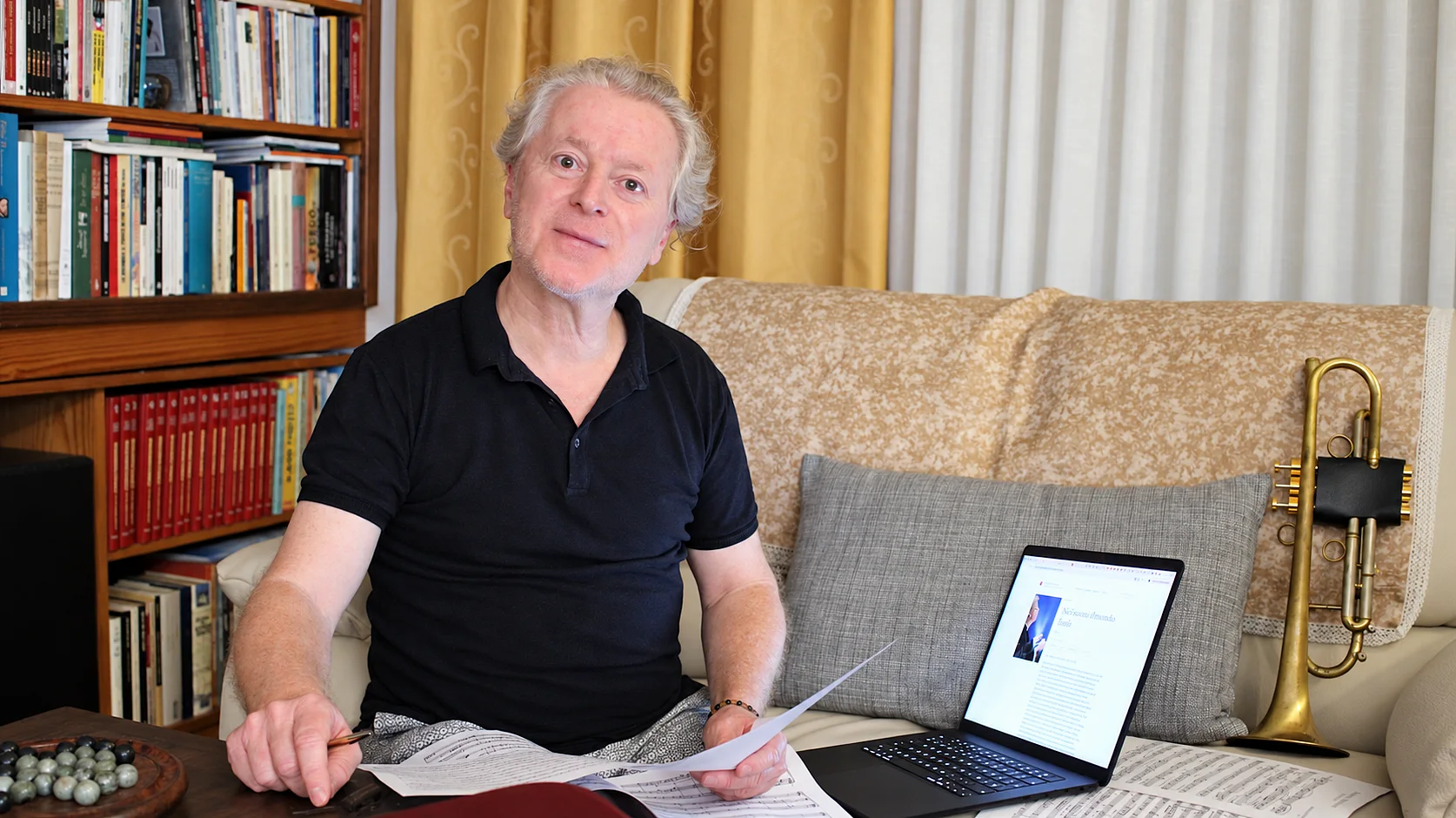
Is there a sound or combination of instruments you would like to explore in your next compositions?
I am currently composing several pieces for various ensembles—ranging from conventional chamber groups to large-scale musical formations—some of which are the result of commissions, while others are written for specific calls for submissions.
However, I find the idea of exploring the potential of less conventional instrumental combinations very appealing, even though I know this would make it difficult to perform them with live musicians, since I couldn’t rely on existing ensembles and would have to assemble a group specifically for the occasion.
On the other hand, I’m also drawn to the audiovisual sector in general—radio and television, documentaries, and film, for example—a field in which I’ve done some collaborative work and one I’d very much like to explore further in the near future. Being commissioned to compose a soundtrack, for instance, wouldn’t be half bad! [smile]
Furthermore, I don’t rule out the possibility of incorporating some elements of electroacoustic or sound experimentation into some of my future works. Along these lines, I recently added some effects to one of my latest chamber music pieces, which has won an international award.
Read this interview as a magazine edition
The designed Maestro Magazine edition of this conversation.