
"Music Is Universal, and So I Am Trying to Be Too" — José Andrés Álvarez
For Mexican composer José Andrés Álvarez, moving beyond competitive classical piano was the first step toward building a wide-ranging creative language spanning jazz, electronics, and film scoring.

Born in Monterrey, Mexico, José Andrés Álvarez began his musical journey as a classical pianist, winning top prizes in international competitions before turning his focus to composition. Now studying at Berklee College of Music, he explores the intersection of modern classical music, jazz, Spanish traditions, and ambient electronics. Recently recognized as Absolute Winner at the Fenix Competition and Platinum Prize winner at the Beethoven Competition, Álvarez speaks about his artistic evolution, the use of synthesizers, and the philosophy behind writing music with intention.
You began as a classical pianist, winning over 20 international competitions. What drew you from performance into composition, and how did that transition change your artistic perspective?
I have always had a fascination with creation. From a very young age, I loved thinking about how a movie was made, how a painting was created, or how a building was designed. Classical music performance was a medium for me to mature both as a musician and as an individual, but it still didn't feel like enough. I started composing classical music, gradually realizing that other styles of music made me feel in different ways, so I began expanding my compositional repertoire. This transition, I think, has made me a more complete human being. Understanding different kinds of music and the historical contexts of various cultural expressions and sounds has brought about personal and spiritual growth I never thought possible.
Your music blends classical, jazz, Spanish folklore, and electronic/ambient elements. How do these different influences come together in your creative process?
These are all different styles of music I was exposed to growing up. Classical music was the first genre I became familiar with, followed by Spanish music, and then jazz and electronic music during college. I think they are all intertwined in a way, even though they sound so different from each other. The reason I compose in these different styles is because they each bring out different emotions in me. Classical music will never express the freedom that jazz does, and neither of these will ever express the same passion as flamenco. Music is universal, and so I am trying to be too.
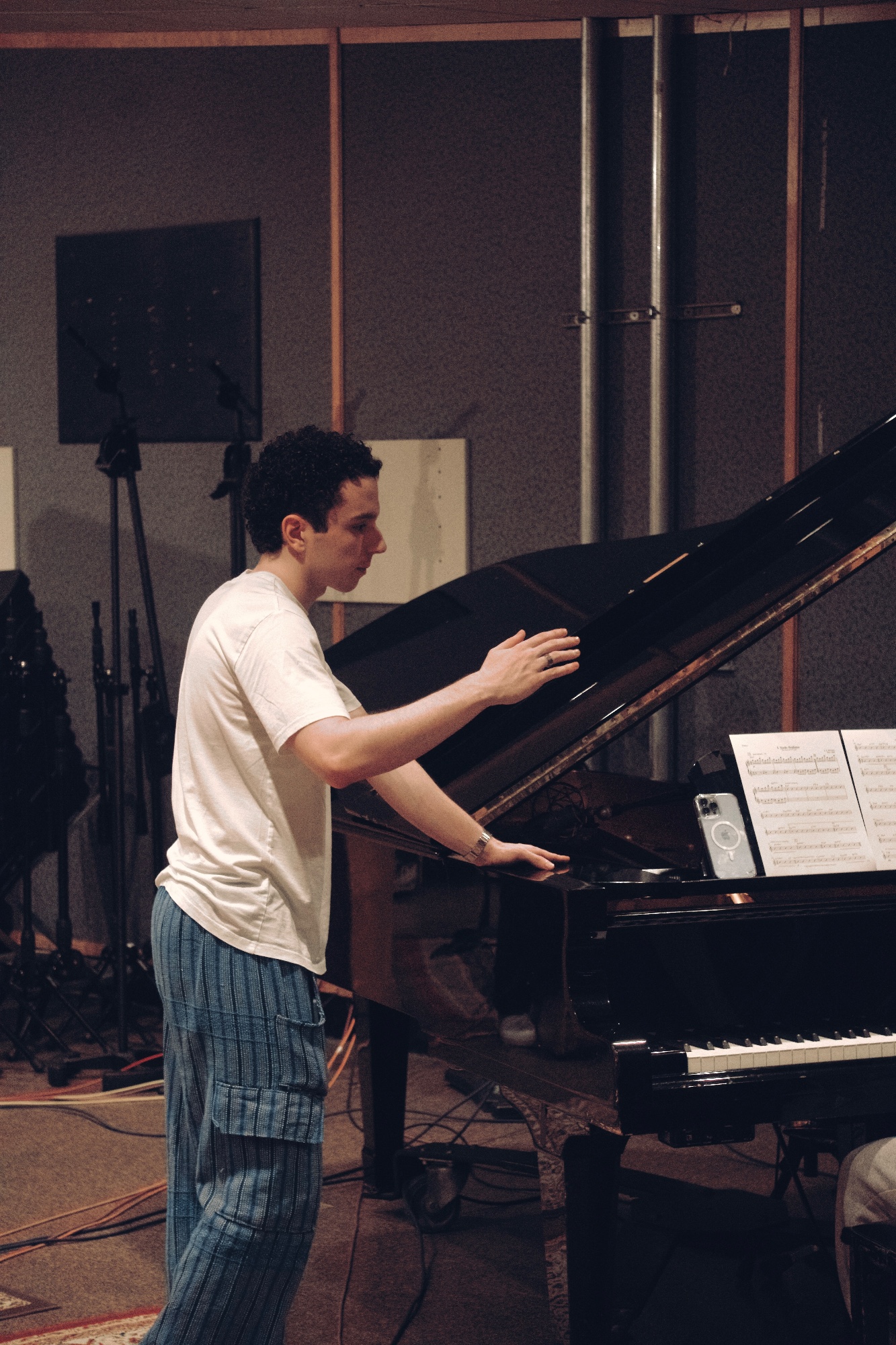
How did experimenting with synthesizers and software shape the composer you are today?
A musician needs to adapt to their times. Synthesizers allow a composer to sculpt sound from its rawest form. You can take the purest frequencies and mold them into the sounds you are looking for—it is like the ultimate sonic sketchbook for a modern composer. Experimenting with these tools has opened a wide range of creative opportunities for me and has helped me understand signal flow and how sound works in much greater depth.
“Music is universal, and so I am trying to be too.”
Jose Andres Alvarez
Winning the Absolute Winner title at the Fenix Award and the Platinum Prize in the Beethoven Award marks a very successful period for you as a composer. What do these recognitions mean at this stage of your journey?
I am honored to have received these awards, and deeply grateful to the Universal Maestro Society for this recognition. These awards primarily serve as a platform to share my music with more people, which, at the end of the day, is the whole purpose of being a composer. People who participate in or follow these competitions have messaged me to share their thoughts on my music, and there is nothing more fulfilling for me than receiving that direct engagement with my art.
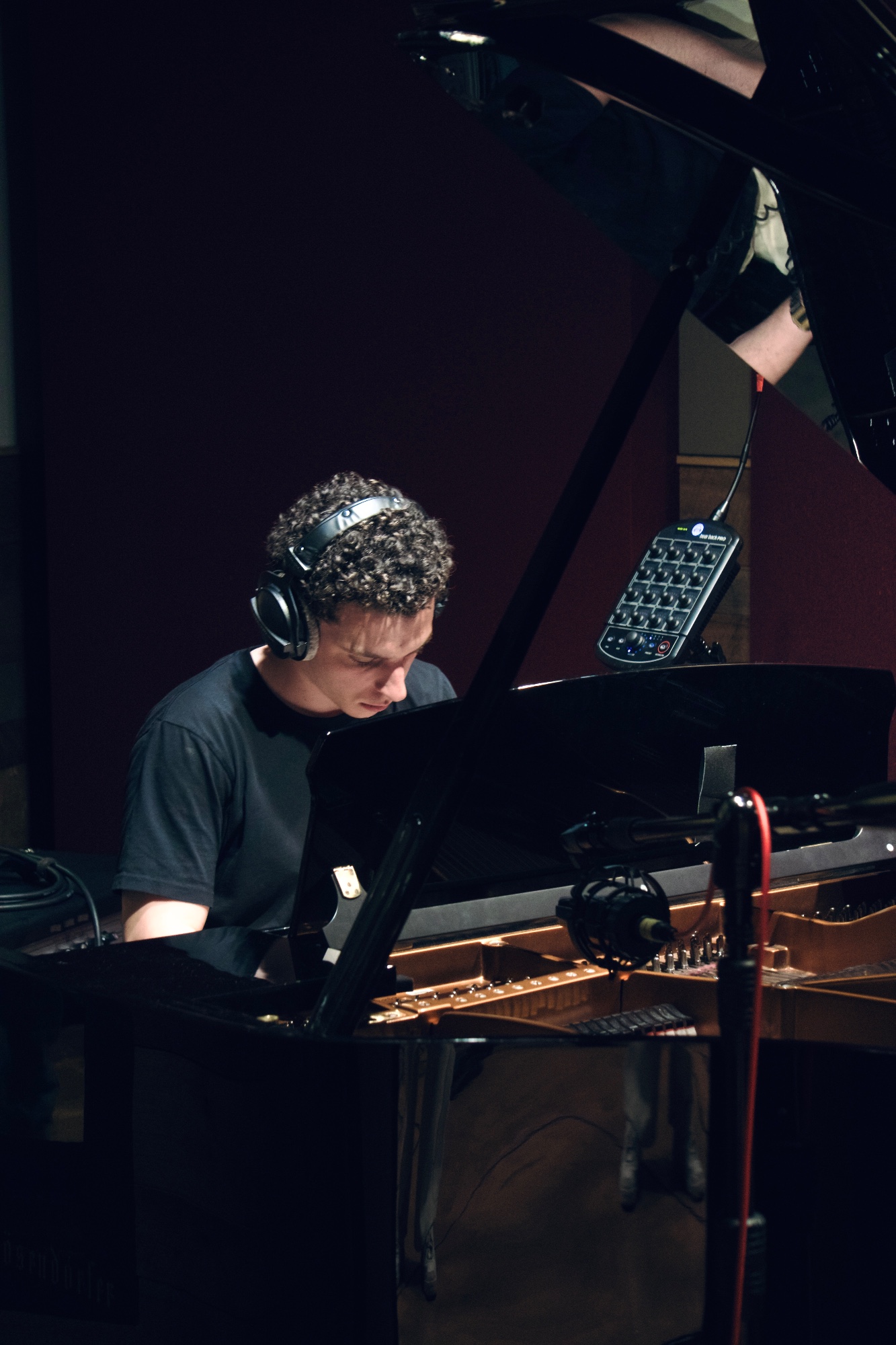
You are now studying Film and Media Scoring. How has writing for visual media influenced the way you think about storytelling, structure, and emotion in your concert works?
I have never really thought of film music and concert music as separate things. When cinema began, classical composers were brought in to write scores because filmmakers were unsure of how else to approach music. Since then, cinematic composition has evolved, and an industry standard has emerged for most media music—much like what happened with Broadway. However, I don't want to fall into an industry-standard sound, as that seems like a soulless way to work. I try to be as honest with myself as possible when composing for either setting, asking whether what I am creating truly resonates with my artistry. I believe that is the core of writing music with intention.
Read this interview as a magazine edition
The designed Maestro Magazine edition of this conversation.