
Expressing Myself Through Music as a Human Being
For Mexican composer Leonardo Coral, decades of creative work have brought clarity and conciseness to writing across forms ranging from chamber music to large orchestral works.
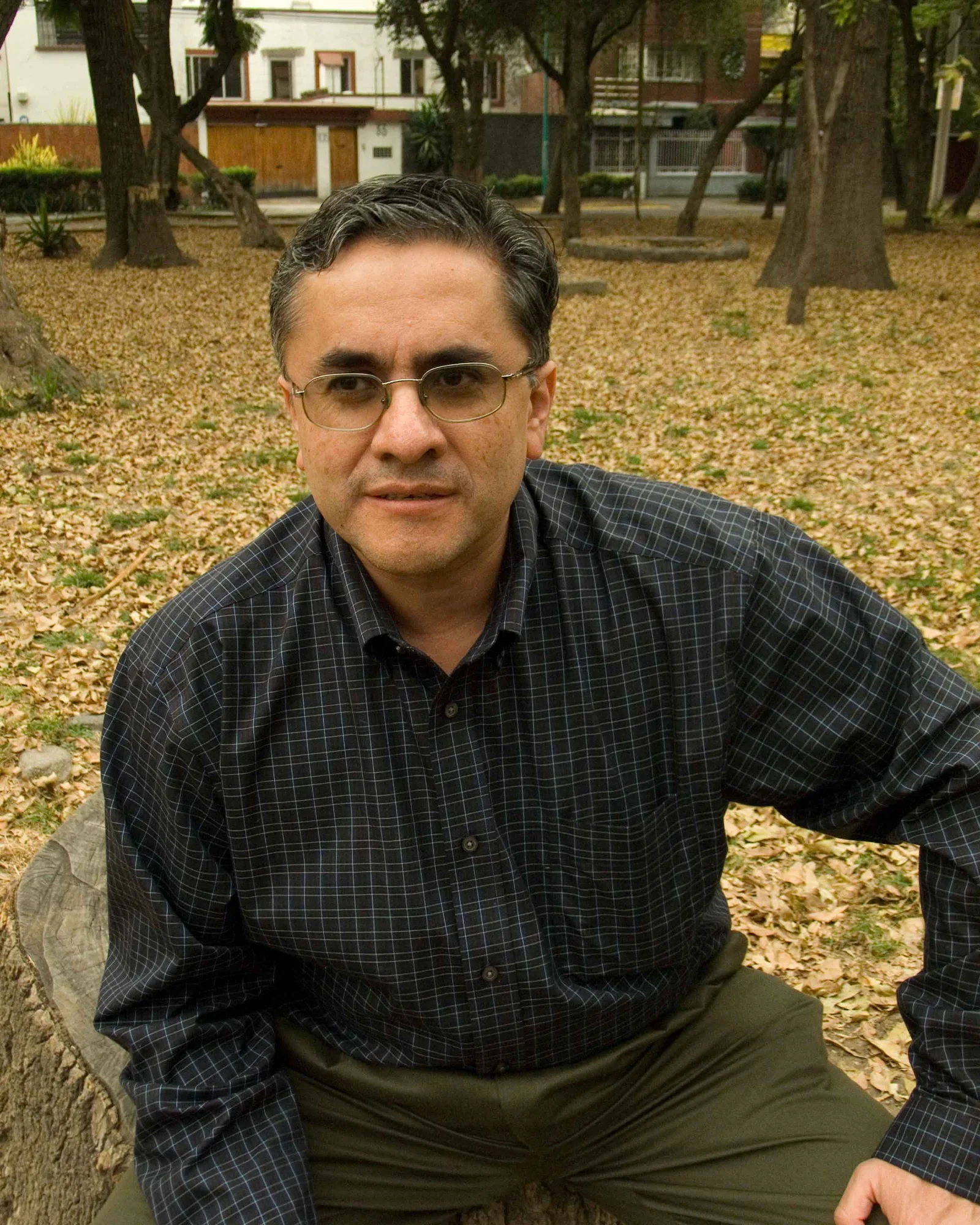
Photo by Gerardo Ledezma
With a catalog of over 150 works spanning chamber pieces, concertos, and symphonic compositions, Mexican composer and UNAM professor Leonardo Coral has spent decades shaping contemporary musical forms. Recognized with the Absolute Prize in the Ravel Competition for his cantata *Un sueño de Sor Juana*, Coral reflects on how his creative process has evolved over time, the distinct qualities of writing for vocal and orchestral ensembles, and his upcoming international collaborations.
You have been composing for many years. Has the way you think about music changed over time?
Over the years, my creative work has become more concise. Initially, I found it more difficult to define a clear form. Gradually, the experience of engaging with musicians and performing numerous works for various instrumentations has allowed me to clarify my objectives. Maestro Federico Ibarra played a fundamental role in my training, generously sharing his knowledge of musical forms and instrumental and orchestral processes.
Tell us about Un sueño de Sor Juana. What was important to you when writing this work?
This work was very significant for me because it was my first piece for soloist, choir, and orchestra. It is my longest work and was commissioned by conductor Rodrigo Macías. I have always admired the poetry of Sor Juana; I find it to be of great perfection, possessing a powerful human and philosophical scope that transcends both borders and time. It was wonderful to collaborate with Margarita Sanz, and with mezzo-soprano Grace Echauri, the State of Mexico Choir (directed by Manuel Flores), and the State of Mexico Youth Orchestra—all under the baton of Rodrigo Macías. For me, it was fantastic to win such a prestigious honor as the Ravel Award for this work.
You have written for everything from solo instruments to large orchestras and choirs. Is there a kind of ensemble you particularly enjoy writing for?
I greatly enjoy writing for various instrumental and orchestral ensembles. Each sonic medium offers its own distinct appeal. Orchestral work provides immense contrasts in texture, color, and density. Chamber music invites expressive subtlety, yet also calls for vigor and the pursuit of instrumental balance. Vocal music connects me to the ultimate form of human expression, for singing is a way of speaking—a way of conveying things.
“Vocal music connects me to the ultimate form of human expression, for singing is a way of speaking—a way of conveying things.”
Leonardo Coral
What do you enjoy most about composing these days?
At this stage of my life, I greatly enjoy composing, as ideas flow with great ease. I believe this is the result of many years of work and the appreciation musicians have shown me over the years. I love experiencing the ritual of a concert. My greatest satisfaction is expressing myself through music as a human being and sharing something valuable with the audience.
Is there a collaboration or type of piece you’d particularly like to explore next?
Yes, there are many collaborations coming up in the next few months: Tere Frenk will perform my Piano Sonata No. 11. Juan Carlos Laguna, Norio Sato, and the Nomad Ensemble will present my *Poema* in Mexico (in memory of Toru Takemitsu)—a work previously performed at Tokyo Opera City Hall in July. Noemi Gasparini will present *Orígenes* for violin at the 48th Manuel Enríquez International New Music Forum.
I am currently composing *Introspección* for oboe, violin, and piano—a work dedicated to Carmen Thierry, Viktoria Horti, and Tere Frenk.
Michael Tsalka has played *Percepciones* for keyboard at the Nelson Centre for Musical Arts in New Zealand. He will play it also in Moldova.
Read this interview as a magazine edition
The designed Maestro Magazine edition of this conversation.